The Importance of Market Positioning in Luxury Sales
Wiki Article
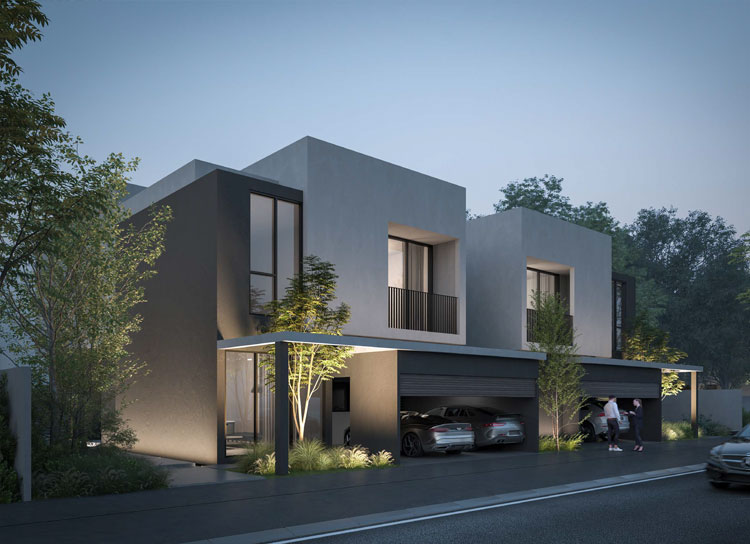
In the world of premium real estate and high-end investments, understanding how to strategically position an offering can determine whether it attracts the right buyer or remains unnoticed. For those aiming to sell luxury property in Dubai, market positioning is not just a marketing tactic it is a fundamental business strategy that shapes perception, value, and demand. Luxury buyers are not merely purchasing square footage; they are investing in prestige, exclusivity, craftsmanship, and lifestyle.
Market positioning refers to how a property or product is presented in the minds of its target audience relative to competitors. In luxury sales, positioning influences everything from pricing strategies to visual presentation and communication style. It ensures that the property appeals to the aspirations, expectations, and emotional triggers of affluent buyers. Without clear positioning, even the most spectacular offering can lose its impact in a competitive marketplace.
Understanding the Concept of Luxury Positioning
Luxury positioning is about distinction. Unlike mass-market products, luxury offerings are defined by scarcity, refined quality, and emotional resonance. Positioning, therefore, is not about competing on price; it is about communicating value beyond cost.
In high-end real estate, positioning clarifies:
Who the ideal buyer is
What lifestyle the property represents
How it stands apart from alternatives
Why it commands a premium price
Effective positioning creates a narrative around the property. It frames the home not simply as a structure but as a symbol of achievement and elevated living.
Why Market Positioning Matters in Luxury Sales
1. Differentiation in a Competitive Market
The luxury market is saturated with impressive offerings. Architectural brilliance, high-end materials, and prime settings are often standard expectations. Without strategic positioning, properties blend together.
Positioning highlights unique selling points whether it is architectural heritage, cutting-edge smart technology, privacy, design philosophy, or lifestyle integration. It ensures the property occupies a distinct mental space in the buyer’s mind.
2. Justifying Premium Pricing
Luxury pricing is driven by perception as much as tangible features. A well-positioned property communicates exclusivity and desirability, reinforcing its premium value.
When positioning aligns with target buyer expectations, price resistance decreases. Buyers understand what they are paying for not just materials or amenities, but a curated experience.
3. Attracting the Right Audience
Luxury buyers are diverse. Some prioritize privacy, others prioritize social prestige, design innovation, or long-term investment value. Positioning defines which segment a property appeals to and tailors messaging accordingly.
A property positioned as a serene private retreat will attract different buyers than one positioned as an architectural masterpiece designed for entertaining. Clarity avoids wasted marketing efforts and ensures the property reaches those most likely to purchase.
The Psychology Behind Luxury Buying
Luxury purchasing decisions are deeply emotional. Buyers are influenced by identity, status, and aspiration. Market positioning taps into these psychological drivers.
Emotional Connection
Luxury sales succeed when buyers envision themselves living the lifestyle being presented. The property becomes part of their personal narrative reflecting success, sophistication, and stability.
Social Signaling
High-end properties serve as markers of achievement. Positioning emphasizes exclusivity and rarity, reinforcing the sense that ownership signifies entry into an elite circle.
Perceived Scarcity
Scarcity increases desirability. Positioning strategies often highlight limited availability or unique architectural elements that cannot be replicated.
Core Elements of Effective Luxury Market Positioning
1. Clear Brand Identity
Every luxury property must convey a consistent identity. This includes architectural style, interior design philosophy, landscaping approach, and overall ambiance.
A cohesive identity creates memorability. Mixed messaging dilutes impact. If the property’s design is modern and minimal, the marketing tone should reflect sophistication and refinement rather than extravagance.
2. Storytelling
Luxury positioning thrives on narrative. The story might revolve around craftsmanship, visionary design, or curated lifestyle experiences.
Storytelling transforms technical specifications into emotional appeal. Instead of listing marble finishes and ceiling heights, the narrative describes elegance, grandeur, and light-filled living spaces.
3. Targeted Communication
High-net-worth individuals expect discretion and professionalism. Positioning determines the communication channels, tone, and visuals used to present the property.
Precision targeting ensures that messaging resonates with the intended audience rather than appealing broadly and losing impact.
4. Visual Excellence
Presentation plays a central role in positioning. High-quality photography, cinematic walkthroughs, and curated staging reinforce exclusivity.
Visual storytelling communicates luxury instantly. It shapes first impressions before a single word is read.
Strategic Positioning Approaches in Luxury Real Estate
Lifestyle Positioning
This approach centers around the lifestyle associated with the property. The emphasis is on experiences, private pools, serene outdoor spaces, entertainment areas, wellness facilities, and architectural flow.
Lifestyle positioning appeals to buyers seeking comfort, privacy, and a seamless integration between living spaces and leisure.
Prestige Positioning
Prestige positioning focuses on status. It highlights grandeur, iconic design elements, and exceptional craftsmanship.
Buyers drawn to this positioning are motivated by visibility and social recognition.
Investment Positioning
Some luxury buyers prioritize long-term financial growth. Positioning here emphasizes value appreciation, market stability, and scarcity-driven demand.
The Role of Exclusivity in Market Positioning
Exclusivity is central to luxury sales. It enhances desirability and protects brand value.
Properties positioned as exclusive often incorporate:
Limited availability
Invitation-only viewings
Personalized consultation experiences
Tailored marketing strategies
This controlled approach increases perceived value and reinforces the idea that ownership is a privilege.
Market Research and Positioning Alignment
Effective positioning is grounded in research. Understanding buyer demographics, purchasing motivations, and current market trends ensures the strategy aligns with real demand.
Research helps identify gaps in the market opportunities where certain buyer needs are not fully met. A property positioned to address these gaps stands out more effectively.
Pricing Strategy as a Positioning Tool
Price communicates value. In luxury sales, underpricing can harm perception just as much as overpricing.
A carefully calibrated pricing strategy reinforces positioning. Premium pricing signals quality and exclusivity. It must align with the narrative and presentation to remain credible.
Digital Influence on Luxury Positioning
The digital landscape plays a significant role in shaping perceptions. Affluent buyers conduct extensive research before making decisions.
Online presence must reflect the intended positioning. Clean design, refined visuals, and curated messaging strengthen credibility. Poor digital presentation can undermine even the most impressive property.
Personalization as a Positioning Advantage
Luxury buyers expect tailored experiences. Personalized property tours, private viewings, and bespoke communication enhance positioning.
Personalization reinforces exclusivity and demonstrates attentiveness to client preferences. It differentiates the property from standard offerings.
Long-Term Brand Equity in Luxury Sales
Market positioning extends beyond a single sale. It builds brand equity over time.
Consistent positioning strengthens reputation. It establishes trust among high-net-worth individuals and increases referral potential. In the luxury sector, reputation often influences decisions more than advertising.
Common Mistakes in Luxury Market Positioning
Overemphasizing features instead of lifestyle
Inconsistent messaging across platforms
Targeting too broad an audience
Neglecting emotional storytelling
Undervaluing presentation quality
Avoiding these mistakes ensures clarity and impact.
Adapting Positioning to Market Changes
Luxury markets evolve. Buyer priorities shift toward sustainability, smart technology, wellness amenities, or privacy enhancements.
Positioning must adapt accordingly. Staying informed about emerging preferences ensures relevance and sustained competitiveness.
The Future of Market Positioning in Luxury Sales
As global wealth patterns shift, personalization and experiential marketing will continue to shape luxury positioning. Buyers increasingly seek properties that reflect individuality and innovation.
Future positioning strategies will likely emphasize:
Sustainable architecture
Integrated technology
Wellness-focused design
Customizable living spaces
Adaptability will be essential for maintaining premium appeal.
Final Thought
Market positioning is not optional in luxury sales it is foundational. It shapes perception, defines value, and determines how a property competes in an exclusive marketplace. By aligning narrative, pricing, presentation, and target audience, positioning transforms a property into a coveted opportunity.
When executed effectively, positioning elevates the property beyond physical attributes and creates lasting desirability. In competitive premium real estate markets, clarity of positioning often determines success. Ultimately, strong positioning ensures that exceptional residences such as luxury villas in Dubai achieve the recognition and demand they deserve.