How Nursery Marina Dubai Enhances Creativity in Children
Wiki Article
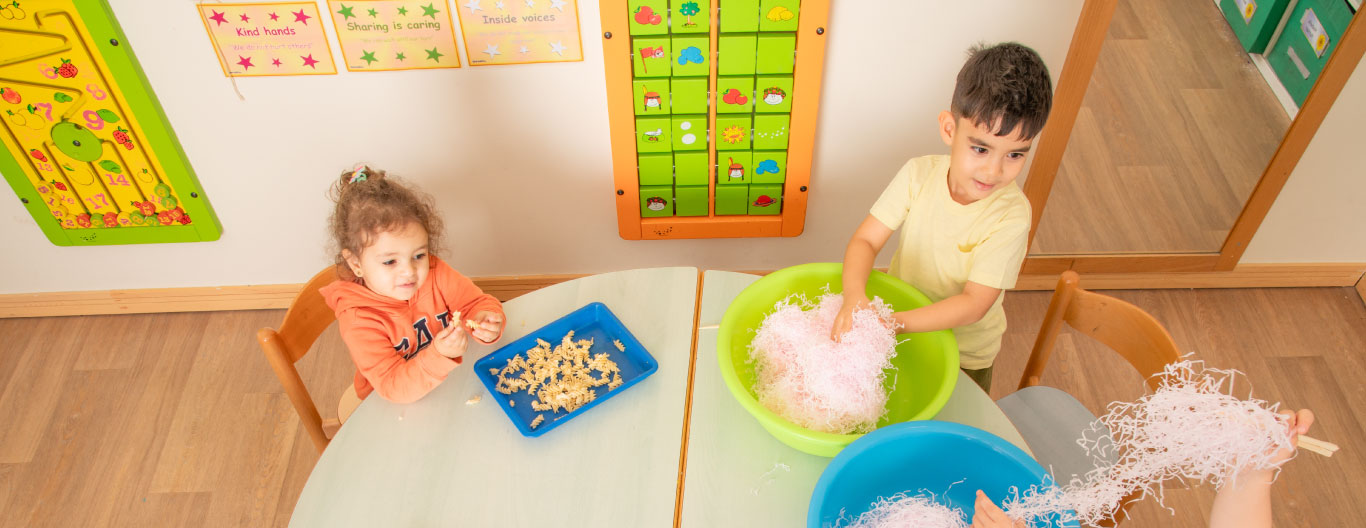
Early childhood is a critical stage in a child’s development, where imagination, curiosity, and creativity form the foundation for lifelong learning. A well-designed learning environment, coupled with supportive educators, can significantly influence how children explore, express themselves, and solve problems. For parents seeking the ideal early education, a nursery Dubai Marina setting provides not just care but an enriched environment that nurtures creativity in children from a young age.
Understanding Creativity in Early Childhood
Creativity is not limited to drawing or performing arts; it encompasses the ability to think critically, experiment, and develop unique solutions to everyday challenges. In early childhood, creativity manifests through play, storytelling, problem-solving, and even social interactions. The brain of a young child is highly receptive to new experiences, making this stage perfect for cultivating creative thinking.
A creative child develops confidence, adaptability, and emotional intelligence. These qualities are crucial not only for academic success but also for personal growth and future career potential. Hence, fostering creativity at the nursery level is an investment in a child’s holistic development.
Role of the Learning Environment
A nursery designed with creativity in mind emphasizes a stimulating and flexible environment. Bright colors, open spaces, and access to a variety of materials encourage children to explore freely. Areas dedicated to arts, crafts, music, and imaginative play allow children to experiment and express themselves without fear of judgment.
Moreover, incorporating natural elements like plants, sand, and water play creates a sensory-rich environment. Sensory activities enhance cognitive development and problem-solving skills while offering opportunities for children to engage with the world around them in imaginative ways.
Play-Based Learning as a Catalyst for Creativity
Play is central to early childhood development. In a nursery Dubai Marina environment, play-based learning encourages children to interact, collaborate, and innovate. Structured play, such as building blocks, puzzles, and role-playing scenarios, develops fine motor skills, spatial awareness, and storytelling abilities.
Unstructured play, on the other hand, gives children the freedom to explore their interests and test ideas. When educators observe and guide rather than dictate, children learn to make decisions independently, fostering originality and inventive thinking.
The Role of Educators in Creative Development
Teachers and caregivers in creative-focused nurseries act as facilitators rather than mere instructors. They encourage curiosity by asking open-ended questions, providing diverse materials, and celebrating imaginative ideas. For instance, instead of instructing a child to paint a tree in a specific way, educators might prompt, “How can you show a tree in your own story?”
This approach nurtures confidence and reinforces the idea that there is no single “right” answer. Children learn to value experimentation, persistence, and personal expression—essential components of creativity.
Integrating Arts and Culture
Exposure to various art forms and cultural experiences broadens a child’s perspective and enhances imaginative thinking. Activities like music, dance, painting, and storytelling allow children to explore emotions and ideas beyond their immediate environment.
Cultural storytelling and collaborative art projects also teach children empathy, social awareness, and collaboration. A creative nursery incorporates multicultural resources, instruments, and narratives, giving children a rich palette of inspiration to draw from in their play and learning.
Technology and Creativity
Modern nurseries can also integrate age-appropriate technology to foster creativity. Interactive apps, digital storytelling tools, and visual learning programs, when used thoughtfully, enhance imaginative exploration. Technology provides children with new mediums for self-expression, from digital art creation to coding simple animations, preparing them for a future where digital literacy is intertwined with creative thinking.
Outdoor Exploration and Nature-Based Learning
Outdoor play is another critical component in nurturing creativity. Gardens, playgrounds, and nature-based activities stimulate curiosity, encourage problem-solving, and provide children with the freedom to explore physical and imaginative worlds. Activities like building sandcastles, collecting leaves, or observing insects develop observational skills and inspire original thinking.
Outdoor spaces also allow children to engage in collaborative games, promoting teamwork and leadership, which are important social dimensions of creativity. A nursery Dubai Marina that integrates outdoor learning ensures that children’s creative development is balanced between structured indoor activities and free outdoor exploration.
Social Interaction and Collaborative Creativity
Creativity flourishes in social environments. Group projects, cooperative play, and shared storytelling encourage children to exchange ideas and build upon each other’s imagination. Collaborative activities help children understand different perspectives, enhance communication skills, and develop problem-solving strategies.
Nurseries that emphasize group-based creative projects often notice higher engagement levels and improved emotional intelligence among children. By working together, children not only learn to respect others’ ideas but also find inspiration from peers, fueling their own creative expression.
Encouraging Curiosity and Inquiry
A hallmark of a creative nursery is the encouragement of questioning and exploration. Educators stimulate curiosity by introducing “what if” scenarios, science experiments, and discovery-based learning. For example, children may explore floating objects, mix colors, or investigate natural phenomena, leading to both cognitive and imaginative growth.
By nurturing inquiry, children develop critical thinking skills and a love for learning that extends beyond the classroom. This sense of wonder and curiosity is a cornerstone of lifelong creativity.
Building Confidence Through Creative Achievement
Recognition of creative efforts reinforces a child’s self-esteem and motivation. When children see their artwork displayed or hear their stories appreciated, they internalize the value of originality. Confidence gained through creative achievement enables children to approach challenges with resilience and an inventive mindset.
Nurseries often celebrate milestones and creative projects through exhibitions, storytelling sessions, or collaborative showcases. This practice not only motivates children but also strengthens parent engagement, creating a supportive community around creative development.
Tailored Learning Approaches
Each child has a unique style of learning and expression. Creative nurseries understand this diversity and adapt activities to individual strengths and interests. Some children may excel in visual arts, while others thrive in music, movement, or storytelling. By offering a variety of learning modalities, nurseries ensure that every child has the opportunity to discover and cultivate their creative talents.
Tailored approaches also allow educators to provide additional support to children who may be shy or hesitant, ensuring that all children benefit from creative stimulation at their own pace.
Long-Term Benefits of Creative Early Education
Children exposed to creativity-focused environments often develop advanced problem-solving skills, emotional intelligence, and adaptability. These competencies are invaluable as they progress to higher education and adulthood. Creative thinking also correlates with innovation, leadership, and the ability to navigate complex real-world scenarios.
Furthermore, children who develop creativity early tend to have higher engagement and enthusiasm for learning throughout life. This early foundation sets the stage for both academic success and personal fulfillment.
Final Thought
A nursery environment that emphasizes creativity equips children with essential skills for life. From stimulating indoor spaces to outdoor exploration, arts and cultural activities, play-based learning, and technology integration, every aspect contributes to nurturing imagination, curiosity, and confidence.
For parents seeking a holistic early education that balances academic readiness with creative growth, options like nursery JBR ensure that children develop the skills, mindset, and enthusiasm to thrive in a rapidly changing world. By prioritizing creativity in early childhood, nurseries lay the groundwork for innovation, resilience, and lifelong learning.