Espresso Grinder Durability vs Cost Guide
Wiki Article
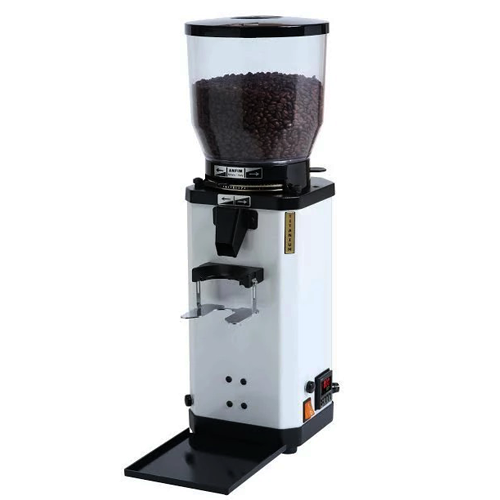
When investing in coffee equipment, one of the most important decisions revolves around balancing durability and cost. An espresso grinder plays a critical role in determining extraction quality, flavor clarity, and overall brewing consistency. While many buyers focus heavily on price, understanding how build quality, materials, engineering, and long-term reliability impact performance is far more valuable. Choosing the right grinder is not simply about finding the lowest price, it is about identifying the best long-term value.
Durability and cost often move in opposite directions. Lower-cost models may appear attractive initially, but they can lead to frequent maintenance, inconsistent grind quality, and premature replacement. On the other hand, high-end grinders require a larger upfront investment but often deliver superior performance and longevity. This guide explores how to evaluate durability versus cost so you can make an informed, practical decision.
Why Durability Matters in Espresso Grinding
Grinding coffee for espresso demands precision. The grind must be extremely fine and consistent to achieve proper extraction under pressure. Because of this requirement, grinders designed for espresso face more stress than standard coffee grinders.
Durability impacts:
Grind consistency over time
Motor reliability
Burr sharpness longevity
Resistance to heat buildup
Overall machine lifespan
If components wear down quickly, grind size can shift, resulting in under-extracted or over-extracted shots. A durable grinder ensures stable performance even after years of daily use.
Understanding the Cost Spectrum
Espresso grinders typically fall into three pricing tiers:
Entry-Level
These models are more affordable and suitable for beginners. They often feature smaller motors, compact burrs, and lighter construction materials. While they can produce acceptable results, durability may be limited under heavy use.
Mid-Range
Mid-tier grinders balance price and performance. They usually include better burr materials, stronger motors, and more precise grind adjustments. These models often provide the best value for serious home users.
Premium
High-end grinders are engineered for longevity and precision. They incorporate commercial-grade motors, hardened burr sets, advanced grind adjustment systems, and robust housing materials. Though costly upfront, they are built to withstand intensive usage.
Key Durability Factors
Understanding what contributes to long-lasting performance helps justify cost differences.
Burr Material
Burrs are the heart of any grinder. Common materials include:
Stainless steel
Hardened steel
Titanium-coated steel
Ceramic
Higher-grade burrs maintain sharpness longer and resist wear. While ceramic burrs can be durable, steel burrs often handle high-volume espresso grinding more reliably.
Motor Quality
A powerful, well-built motor prevents overheating and maintains stable grinding speed. Lower-quality motors may struggle with fine espresso grinds, leading to inconsistent particle size and reduced lifespan.
Housing and Internal Construction
Metal housing typically offers better durability than plastic components. Internal support structures also play a role in maintaining alignment and reducing vibration.
Grind Adjustment Mechanism
Stepless micro-adjustment systems tend to provide greater precision. However, durability depends on the quality of the adjustment threads and internal components. Cheap adjustment systems may loosen over time.
Heat Management
Heat can damage coffee flavor and strain internal parts. Premium grinders often include improved ventilation or slower RPM motors to reduce heat buildup.
Cost vs Longevity: Long-Term Value Analysis
A lower-priced grinder may seem economical at first. However, consider the following:
Replacement frequency
Maintenance costs
Inconsistent performance
Time spent recalibrating
For example, if a budget grinder needs replacement every two years, while a premium grinder lasts eight to ten years, the long-term cost may actually favor the higher-end option.
Durability also reduces downtime. Frequent breakdowns can disrupt routine and compromise brewing quality.
Performance Stability Over Time
Durability directly affects grind consistency. As burrs wear or internal parts loosen, particle distribution becomes uneven. This inconsistency leads to:
Uneven extraction
Bitter or sour flavors
Reduced crema quality
A durable grinder maintains stable alignment and burr sharpness, ensuring consistent results year after year.
Maintenance and Operating Costs
Maintenance plays a role in durability. Regular cleaning, burr inspection, and calibration extend lifespan. However, some grinders are easier and cheaper to maintain than others.
Consider:
Burr replacement cost
Availability of spare parts
Ease of disassembly
Cleaning accessibility
Premium models often provide better access for maintenance, making upkeep more efficient and extending functional life.
Home Use vs Heavy Use
Your usage level should influence your decision.
Light Home Use
If you prepare one or two drinks daily, a mid-range grinder may offer sufficient durability without excessive cost.
High-Frequency Home Use
For households with multiple daily brews, investing in stronger construction becomes more practical.
Commercial or Intensive Use
High-volume environments require heavy-duty motors, durable burr sets, and reinforced construction. In these cases, cost should not be the primary deciding factor reliability and longevity are essential.
Precision and Adjustment Quality
Fine adjustments are critical for espresso. Lower-cost grinders may offer stepped adjustments with limited flexibility. Over time, adjustment systems may wear out, reducing accuracy.
Premium grinders often feature stepless adjustments with durable internal threading that holds calibration securely. This precision contributes to both durability and consistent flavor.
Build Materials and Structural Integrity
Metal frames, reinforced burr carriers, and vibration-dampening components increase lifespan. Plastic-heavy designs may reduce initial cost but compromise structural stability over time.
A solid internal structure maintains alignment, ensuring even particle distribution and reducing mechanical strain.
Energy Efficiency and Motor Stress
High-speed motors may grind quickly but can generate excess heat and wear. Slower, high-torque motors often last longer and maintain grind quality.
Energy efficiency also impacts cost indirectly by reducing long-term electricity usage.
When Paying More Makes Sense
Paying a premium is justified when:
You value consistent flavor
You brew daily
You experiment with different roast profiles
You prioritize longevity
You want reduced maintenance
Higher-quality grinders often hold resale value better as well, reducing total ownership cost.
When Budget Models Are Acceptable
A lower-cost option may be suitable if:
You are new to espresso
Usage is occasional
You plan to upgrade later
Budget constraints limit initial investment
However, understanding the trade-offs is essential. Reduced durability may impact long-term satisfaction.
Hidden Costs to Consider
Beyond purchase price, consider:
Replacement burrs
Repair services
Downtime inconvenience
Coffee waste due to inconsistent grind
These hidden costs can accumulate quickly with lower-quality equipment.
Practical Buying Tips
When evaluating durability versus cost, focus on:
Burr material and size
Motor strength
Weight and build quality
Warranty length
Ease of maintenance
A longer warranty often reflects manufacturer confidence in durability.
Durability and Flavor Consistency
Consistency is critical in espresso preparation. A stable grinder ensures:
Predictable extraction time
Balanced acidity and sweetness
Smooth mouthfeel
Rich crema
Without durability, performance declines and compromises the brewing process.
Final Thoughts
Choosing between durability and cost requires a long-term perspective. While lower-priced grinders may offer short-term savings, durability determines true value over time. Investing in robust construction, reliable motors, and high-quality burrs ensures consistent performance and reduced maintenance expenses.
A well-built grinder supports every stage of espresso preparation, enhancing flavor clarity and extraction control. When paired with a high-quality espresso coffee machine, it creates a balanced and efficient brewing system that delivers reliable results for years to come.